The 40-Date Problem: Running a Minor League Promo Calendar as a System
Minor league baseball invented the promo night — but 40+ home dates is too many to market by hand. Here's how the promo calendar becomes a machine.
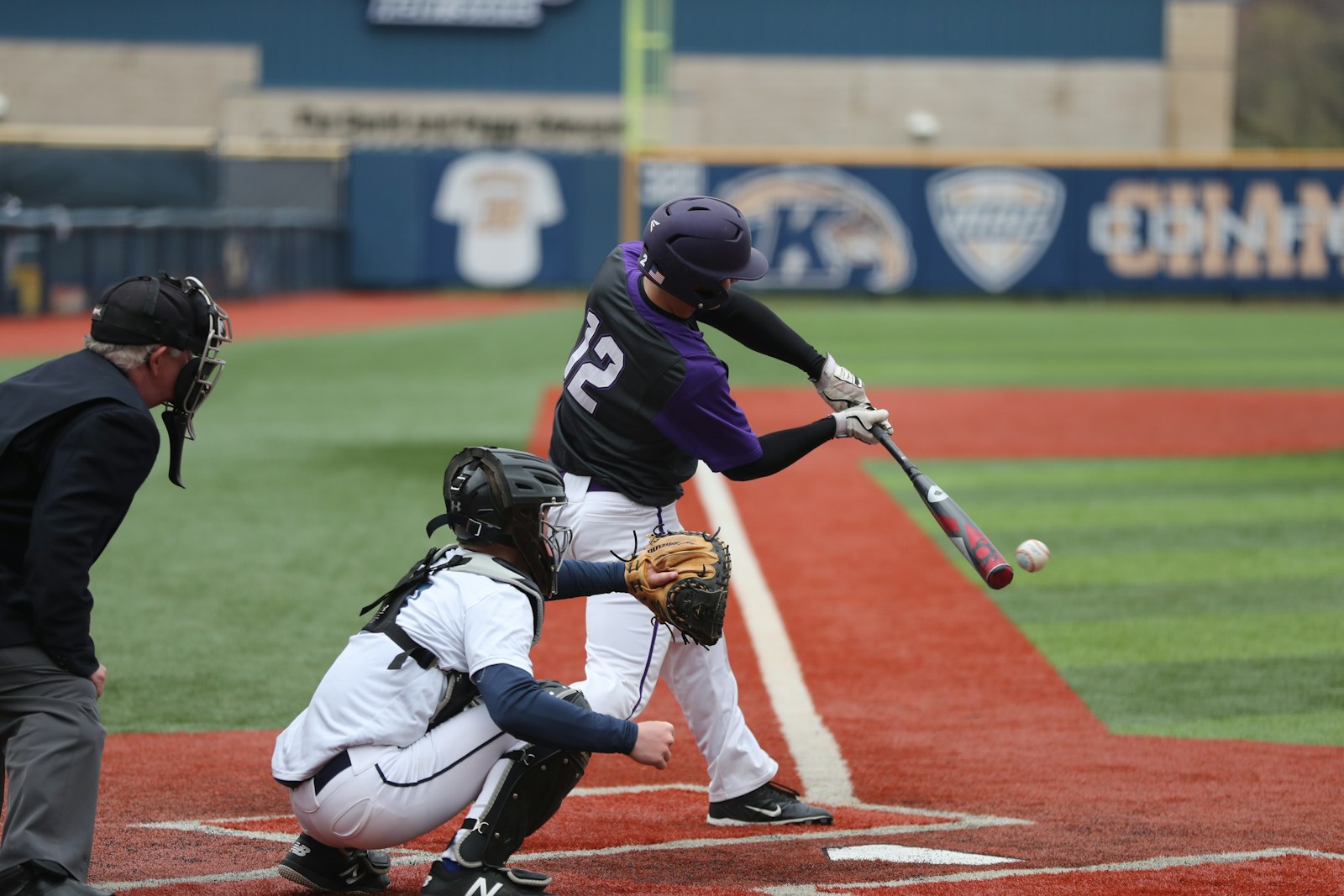
Minor league baseball invented the promo night. Dollar dogs, fireworks Fridays, bobbleheads, bark-in-the-park — the playbook every other sport borrows (and should) was written at ballparks decades ago.
So why do so many ballclubs still finish seasons with soft Tuesday crowds? Because baseball’s blessing is also its curse: volume. Forty-plus home dates is more inventory than any other sport at this level — and more than any small front office can genuinely market one date at a time.
The math nobody wants to do
Say you play 44 home dates. Ten market themselves — opening day, fireworks nights, the big weekend series. That leaves thirty-plus dates that each need a reason, an audience, and a reminder… which at three staff hours per date done properly is ninety-plus hours of marketing labor nobody has. So the quiet dates get the generic treatment: a schedule post, a “tickets available!” — and 2,500 empty seats on a beautiful June evening.
The clubs that win the middle of the calendar don’t work harder in-season. They build the machine in February.
What the machine does that a to-do list can’t
- Every date gets an identity before the season starts. The full promo calendar — themes, giveaways, price nights — mapped in preseason, heaviest on the dates that historically need help. No date enters the season naked.
- Every theme gets its own audience. Kids-run-the-bases night promoted to families within 15 minutes; craft-beer night to the 25–40 crowd; faith-and-family day to the church groups. A promo blasted to everyone is a promo reaching no one.
- The day-of reminder is automatic. Ballpark decisions are weather-and-mood decisions made at 4 PM. A short text with a one-tap buy link on game day routinely outsells a week of posts — and a system sends it for all 44 dates, not just the ones someone remembered.
- Rainouts trigger recovery, not silence. Baseball’s unique tax. A rained-out promo night should automatically become a rebook message that same evening — “tonight’s fireworks move to the 24th, your tickets carry over, here’s your seat.” Clubs that handle rainouts well gain goodwill from them; clubs that go quiet eat the loss twice.
- Every packed night feeds the next one. Giveaway entries, first-timer capture, post-game “come back Thursday” offers — the fireworks crowd is the database that fills the Tuesday after.
The compounding season
Here’s baseball’s structural advantage: with 40+ dates, the system gets 40+ learning cycles in one season. Which themes move which segments, what price points convert, which nights group organizers book — by July the machine is meaningfully smarter than it was in April, within the same season. Hockey waits a year for that; baseball compounds monthly.
Even modest per-date gains change the season’s economics: 150 extra fans across 30 quiet dates is 4,500 incremental tickets — plus parking, concessions, and the biggest asset of all, a database that makes next April’s launch land on twice the audience.
This is exactly what the Sports Hive AI baseball system is built to run — the calendar, the targeting, the reminders, the rainout recovery, all of it automatic. Tell us about your ballpark and we’ll map your 40 dates before the schedule drops.